How to Improve Breast Shape After Weight Loss
The most appropriate approach depends on the degree of sagging, current breast volume, skin elasticity and your aesthetic goals. Management options range from supportive lifestyle strategies to surgical correction.
Non-Surgical Approaches
1. Strengthening the Chest Muscles
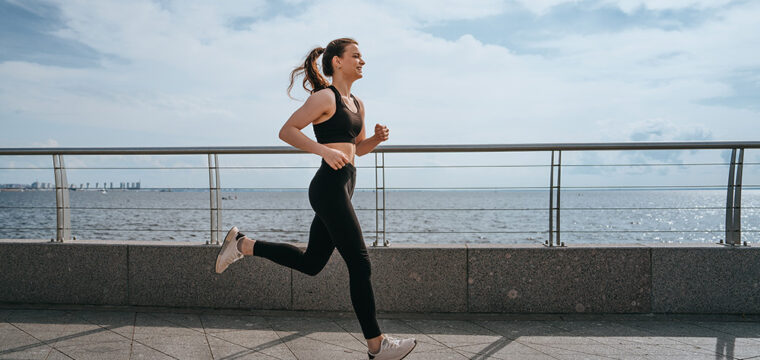
Exercises such as chest presses, push-ups and dumbbell flies can improve the tone of the pectoral muscles beneath the breasts. While this does not lift the breast tissue itself, it can enhance the appearance of the chest and provide subtle improvements in contour.
2. Maintaining a Stable Weight
Avoiding repeated weight fluctuations helps minimise additional stretching of the breast ligaments and skin, which can otherwise worsen sagging over time.
3. Maintaining Good Skin Elasticity
Good hydration, regular moisturising, sun protection and avoiding smoking all contribute to maintaining skin elasticity. Although these measures cannot reverse existing sagging, they can help improve firmness and delay further loss of elasticity.
4. Wearing a Supportive Bra
A well-fitted, supportive bra, especially during exercise, can help lift the breasts and improve their overall appearance. This is particularly important during high-impact activities that may strain the breast ligaments.
Surgical Options for Sagging Breasts After Weight Loss
For individuals seeking a more significant and long-lasting improvement in breast shape, firmness or volume, surgical treatment offers the most predictable results. The ideal procedure, or combination of procedures, depends on the degree of sagging, existing breast volume and your aesthetic goals.
A breast lift is the most effective procedure for correcting sagging after weight loss. It removes excess skin, reshapes the breast tissue and repositions the nipple to a more elevated, youthful location. This procedure focuses on improving shape and lift rather than adding volume.
If breast volume has decreased with weight loss, implants can restore fullness, enhance upper-pole projection and improve overall breast balance. Augmentation can be performed on its own when sagging is minimal, or combined with a breast lift when both volume loss and skin laxity are present.
Fat grafting provides a natural method for restoring subtle breast volume using your own fat. It is an excellent option for individuals who prefer a modest enhancement without implants. Fat transfer can also be combined with a breast lift to refine shape or enhance fullness, particularly in the upper pole.
Consulting with a Leading Plastic Surgeon at Breast & Body Clinic UK
Breast reshaping procedures are effective options for individuals seeking to address sagging or loss of volume after weight loss. As with any surgical treatment, it is important to understand the underlying causes of breast ptosis, the degree of correction required and the outcomes that can realistically be achieved. A thorough assessment with a qualified surgeon ensures that the chosen approach aligns with your anatomy, concerns and aesthetic goals.
At Breast & Body UK, our expert team is here to help you through your journey. From first consultation to long-term care, we’re here to offer tailored advice and are available to address any clinical concerns or questions you may have.
If you’re exploring options, we encourage you to book a free consultation with our expert surgeons. During your consultation, we’ll assess your concerns, discuss your goals and provide a tailored recommendation.
FAQs
Can sagging breasts be firm again after weight loss?
Mild sagging may improve with targeted exercise, good skin care and maintaining a stable weight. However, once the breast skin and supporting ligaments have stretched, they cannot fully tighten on their own. In cases of moderate to significant sagging, a breast lift is the most effective way to restore firmness and achieve a lifted, long-lasting result.
How to tighten breast skin after losing weight?
Supporting overall skin health can help maintain elasticity. Strengthening the chest muscles and wearing supportive bras may also enhance appearance. However, these measures cannot address loose skin or stretched ligaments. A breast lift is the most reliable solution when skin laxity is pronounced.
Will breasts get perkier if I lose weight?
Generally, no. As the breasts contain fatty tissue, additional weight loss often reduces volume further, which may make sagging more apparent. Breasts typically do not become firmer or more lifted with continued weight loss alone.
Does exercise lift sagging breasts?
Exercise can strengthen the muscles beneath the breasts, improving chest contour, but it cannot lift breast tissue or tighten stretched skin. While beneficial for overall tone, exercise cannot reverse sagging caused by volume loss or decreased skin elasticity.









 Online Marketing For Doctors