
- 23 February 2026
- Mr A. Siddiqui
Last updated on February 23, 2026
Table of Contents
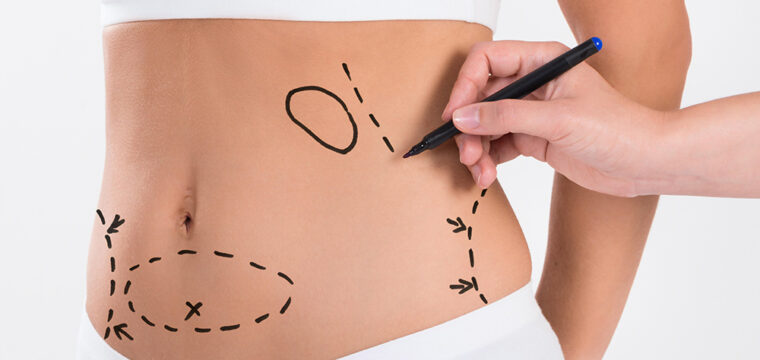
ToggleLiposuction is a surgical procedure that removes stubborn fat and enhances body contour. Although the procedure is relatively quick, healing takes time as your body works to reduce swelling and restore normal tissue function.
During this period, what you eat plays an important role in how well your body heals. The right foods can help reduce swelling, support tissue repair and keep your energy levels stable, while certain foods and drinks may slow recovery or increase discomfort.
This guide outlines what to eat after liposuction, which foods to avoid and how to build a recovery-friendly diet that supports your healing and helps you achieve the best possible outcome.
Why Diet Matters After Liposuction
After liposuction, your body enters a phase of tissue repair and inflammation control and needs the right nutrients to heal properly. Nutrition plays a critical role in supporting these processes, as your body relies on vitamins, minerals and macronutrients to heal properly.
Hydration is equally important. Drinking adequate fluids helps maintain blood flow, supports lymphatic drainage and can reduce fluid retention around treated areas, which may help control swelling and discomfort.

What to Eat After Liposuction
Best Foods for Healing and Recovery
Lean Protein
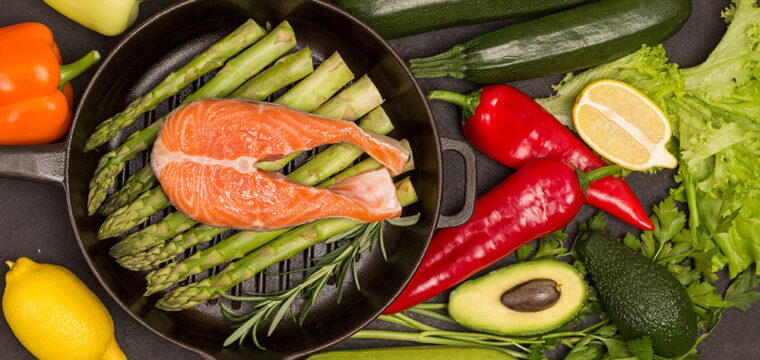
Protein supplies the building blocks your body uses to heal tissue and repair surgical sites. After liposuction, your body requires more amino acids to support collagen production and tissue regeneration. Foods such as chicken, fish and eggs offer high-quality protein without excessive saturated fat, making them ideal choices for promoting steady, healthy healing.
Broccoli and Leafy Greens
Broccoli, spinach and other leafy greens are excellent sources of vitamin C, antioxidants and essential micronutrients that support the early stages of recovery. Vitamin C plays a major role in collagen synthesis, and antioxidants help the body manage normal postoperative inflammation.
Salmon and Other Omega-3 Rich Fish
Fatty fish such as salmon, mackerel and sardines are rich sources of omega-3 fatty acids, which have well-documented anti-inflammatory properties. Including omega-3-rich fish in your diet may help the body regulate its inflammatory response more effectively and support overall tissue healing.
Avocado
Avocados are a valuable addition to your post-liposuction diet because they contain monounsaturated fats, antioxidants and a range of essential nutrients that support healing. These healthy fats can help reduce inflammation and support your body’s absorption of fat-soluble vitamins, which play an important role in tissue repair.
Berries and Citrus Fruits
Berries such as strawberries and blueberries, along with citrus fruits like oranges, provide high levels of vitamin C and antioxidants that are particularly beneficial during recovery. These fruits also help counter oxidative stress, a normal response to surgical inflammation, which can contribute to swelling.
Foods to Reduce Swelling After Liposuction
Pineapple (Bromelain)
Pineapple contains bromelain, a natural enzyme that has been studied for its ability to help reduce inflammation and swelling after surgical procedures. Bromelain supports the body’s healing response by breaking down proteins involved in inflammation, which may help minimise post-operative fluid buildup.
Watermelon and hydrating fruits
Watermelon and other fruits with high water content, such as cantaloupe or honeydew, help support hydration. Adequate hydration assists your lymphatic system in removing excess fluid and can ease the feeling of tightness in treated areas.
Turmeric and Ginger
Turmeric and ginger are known for their natural anti-inflammatory properties. Turmeric contains curcumin, a compound that has been shown to help regulate inflammatory pathways in the body, while ginger contains gingerols with similar benefits.
Nuts and Seeds
Nuts and seeds such as walnuts, almonds, chia seeds and flaxseeds provide healthy fats, antioxidants and essential minerals that help regulate inflammation. Their omega-3 and omega-6 fatty acids support the body’s healing processes while offering sustained energy during recovery.

Diet After Liposuction: What to Avoid
Foods That Can Increase Swelling or Slow Healing
Salty and Processed Foods
Foods high in salt, such as packaged snacks, processed meals and takeaway foods, can cause the body to retain excess fluid. This fluid retention may worsen post-operative swelling and make the treated areas feel more tender.
Sugary Foods and Refined Carbohydrates
Sweets, pastries and refined carbohydrates can contribute to inflammation and offer little nutritional value during healing. These foods may cause fluctuations in blood sugar, which can affect energy levels and slow tissue repair.
Greasy or Fried Foods
Fried foods and meals high in saturated fats can slow digestion and may increase inflammation. As your body is working hard to heal after liposuction, these foods can feel heavy and difficult to process.
Foods That May Upset Digestion
Dairy
Some people find that dairy products cause bloating or digestive discomfort, especially in the early stages of recovery. If you notice sensitivity after eating dairy, opting for lighter alternatives or lactose-free options may help.
Carbonated Drinks
Carbonated beverages can introduce extra gas into the digestive system, which may make you feel bloated or uncomfortable while your body is healing. Opting for still water or herbal teas can help you stay hydrated without causing digestive pressure.
Spicy Foods
Spicy foods may be harder on the stomach during the early stages of recovery. As your digestive system can be more sensitive after surgery, meals that are too hot or heavily spiced may lead to irritation or bloating.
Sample Post-Liposuction Meal Plan
Day 1-3 (Light and Gentle Foods)
In the first few days after surgery, your body may prefer lighter foods that are easy to digest. Options such as warm broths, steamed vegetables, plain oatmeal or scrambled eggs can provide nourishment without overwhelming the digestive system. These foods also help keep energy levels stable while your appetite returns.
Hydration is especially important during this period. Pair light meals with regular sips of water or herbal tea to support fluid balance and help your body manage post-operative swelling.
Day 4-7 (Balanced Fibrous Meals)
As your appetite improves, you can transition to more balanced meals that include lean proteins, vegetables, whole grains and healthy fats. A meal such as grilled chicken with vegetables and quinoa or salmon with leafy greens can provide the nutrients needed for healing while supporting digestion.
Including fibre during this stage, such as a mix of vegetables, whole grains and fruits, can help prevent constipation, which is common after surgery.
Week 2+ (Return to a Normal Healthy Diet)
Most patients can resume a normal, healthy eating pattern from the second week onward. Focus on meals that include a balance of protein, whole grains, vegetables and healthy fats. Continuing to prioritise water and limiting processed foods can support ongoing healing and help maintain your results long-term.
How Long Should You Follow a Post-Liposuction Diet?
A post-liposuction diet is particularly important in the first two weeks, when your body is healing, and swelling is at its peak. During this stage, nourishing foods support tissue repair, help regulate inflammation and can reduce discomfort such as bloating or constipation.
While liposuction permanently removes fat cells from treated areas, it doesn’t prevent new fat from developing if you return to unhealthy eating habits. Following a balanced diet in the weeks and months after your procedure helps maintain your results long-term. Most surgeons recommend sticking to a healthy eating plan indefinitely, not just during recovery, but as part of your ongoing lifestyle.
Consulting with a Leading Plastic Surgeon at Breast & Body Clinic UK
If you’re considering liposuction, the procedure can be highly effective for removing stubborn fat and improving body contour. As with any surgery, it’s important to understand what liposuction can and cannot achieve, as well as the factors that may affect your results. A consultation with your surgeon will ensure your treatment plan is tailored to your goals and realistic expectations.
At Breast & Body UK, our expert team is here to support you through every stage of your treatment journey. From initial consultation to follow-up care, we’re here to provide personalised advice and answer any questions you may have about the procedure.
If you’re considering liposuction or exploring your options, we encourage you to book a free consultation with our expert surgeons. During your consultation, your surgeon will assess the areas you’d like to treat, discuss your goals and recommend the most suitable approach to achieve long-lasting, natural results.
FAQs
Can I eat eggs after liposuction?
Yes, eggs are packed with protein, which your body needs to repair tissue and heal after surgery. They’re also gentle on the digestive system, making them ideal during the early stages of recovery.
What to drink after liposuction?
Water is the best option after liposuction because it supports hydration, circulation and lymphatic drainage. Herbal teas and electrolyte drinks (without added sugar) are also fine. Steer clear of alcohol and sugary drinks, which can increase inflammation and delay healing.
Is yoghurt good after liposuction?
It can be. Yoghurt offers protein and probiotics, which can aid digestion during recovery. However, if dairy causes bloating or discomfort, choose lactose-free yoghurt or non-dairy alternatives instead.
Can I eat rice after liposuction?
Yes, rice is easy to digest and provides steady energy while you recover. Brown rice is a great choice for added fibre and nutrients. For a balanced meal, combine it with lean protein and plenty of vegetables.
Can you eat bread after liposuction?
Yes, wholegrain bread is a good choice as it’s high in fibre and supports healthy digestion. If you find white bread easier to tolerate in the first few days, that’s fine, but aim to transition to wholegrain options as your appetite settles, as refined carbohydrates offer less nutritional value and may contribute to inflammation.
Can I eat pasta after liposuction?
Yes, wholemeal or high-fibre pasta is a good option, as it provides sustained energy without spiking blood sugar. Pair it with lean protein and vegetables for a balanced meal that supports healing. Avoid heavy, creamy sauces and stick with lighter preparations that are gentler on your system during recovery.
Can I eat mashed potatoes after liposuction?
Yes. Mashed potatoes are soft, easy to digest and provide quick energy, making them a good choice in the early days of recovery. Keep preparations light by limiting butter and cream, as high-fat additions can cause bloating and may slow the healing process.
Can I eat oatmeal after liposuction?
Yes, oatmeal is one of the best options after surgery. It’s soft, easy to digest and high in fibre, which helps support healthy digestion while your body heals. It also provides steady energy without the blood sugar spikes that come from refined carbohydrates.
Can I eat chocolate after liposuction?
In moderation. A small amount of dark chocolate is fine, but sugary or high-fat chocolate can increase inflammation and slow healing if eaten in excess. During the first couple of weeks, it’s best to limit sweet treats and focus on nutrient-dense foods that support recovery.
Can I eat peanut butter after liposuction?
Yes, peanut butter provides healthy fats and protein, both of which support tissue repair. However, it’s calorie-dense, so portion control is important, especially if you want to maintain your results long-term. If possible, opt for natural peanut butter without added sugar or salt.
Can I drink apple juice after liposuction?
Yes, but in moderation. Apple juice provides hydration and vitamins, but it’s also high in natural sugars, which can contribute to inflammation and energy fluctuations. Diluting it with water is a better option during the early stages of recovery, or opt for whole fruit instead.
Can I drink milk after liposuction?
Yes, milk provides protein and essential nutrients that support healing. However, dairy can cause bloating and digestive discomfort for some people after surgery. If you notice any issues, switch to lactose-free or plant-based alternatives until your digestion settles.
The information on the website is for general guidance only and cannot be used as a basis to make a surgical decision, an initial consultation with our doctor is required to help patients make an informed decision before proceeding with any surgical procedure. Any surgical or invasive procedure carries risks. Before proceeding, you should seek the opinion of an appropriately qualified health practitioner

About The Author
Mr A. Siddiqui
Mr Siddiqui is a Consultant Plastic and Cosmetic Surgeon, based at The Countess of Chester Hospital in the Department of Plastic and Reconstructive Surgery. He trained extensively in plastic surgery before becoming a Consultant in the NHS and developing a private practice in Manchester and other areas of the Northwest. He is considered to be one of the top 10 cosmetic surgeons in Manchester.
Categories
- Brachioplasty (3)
- Breast Augmentation (27)
- Breast Health (13)
- Breast Implants (20)
- Breast Lift (11)
- Breast Reduction (15)
- Fat to Breast Transfer (1)
- General (2)
- Gynecomastia (2)
- Labiaplasty (2)
- Liposuction (15)
- Mummy Makeover (9)
- Nipple Correction (1)
- Skin Cancer (1)
- Skin Care (1)
- Tirzepatide (1)
- Tummy Tuck (22)
- Uncategorised (3)
Recent Posts


30 March 2026
23 March 2026



 Online Marketing For Doctors