- 12 January 2026
- Mr A. Siddiqui
Last updated on February 20, 2026
Table of Contents
ToggleFlat nipples are an anatomical variation that may be present from birth or develop over time. They usually stem from natural differences in the nipple ducts and the tissue that supports the nipple, which can limit how much the nipple projects. In some individuals, hormonal changes, breastfeeding, weight fluctuations, or ageing can also make the nipples appear flatter.
Although flat nipples are typically harmless, the appearance can affect confidence for some individuals and, in certain cases, may contribute to breastfeeding challenges.
If you are wondering what causes flat nipples or how flat nipples can be corrected, this comprehensive guide outlines whether flat nipples are normal, the causes and available treatment options.
Are Flat Nipples Normal?
Yes. Flat nipples are considered a completely normal anatomical variation. Research indicates that about 10 to 20% of women have some form of flat or minimally projecting nipples, and most will not experience medical problems because of it.
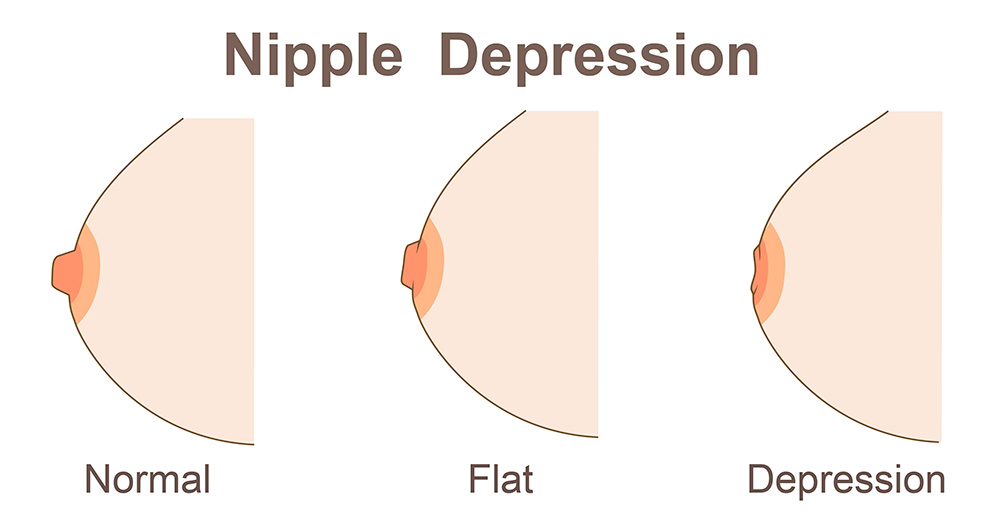
Flat nipples generally fall into three categories:
Intermittently flat nipples: These nipples remain flat at rest but project in response to stimulation or temperature changes.
Consistently flat nipples: These nipples remain level with the surrounding areola and do not project consistently, even with stimulation.
Pseudoinverted nipples: These nipples may appear flat or slightly inward at rest, but they can easily be brought outward with gentle pressure or stimulation.
Flat nipples should not be confused with inverted nipples, where the nipple retracts inward rather than sitting level with the areola. Although both fall within normal anatomical variations, they differ in underlying structure and may require different treatment approaches.
If your nipples have always been flat, this is usually not a cause for concern. However, if a nipple becomes flat suddenly, changes in only one breast, or the appearance alters noticeably in adulthood, a clinical assessment is recommended to exclude any underlying causes.
What Do Flat Nipples Look Like?
Flat nipples typically sit level with the surrounding areola and do not form a prominent projection. They may appear slightly raised but remain relatively flat, even with stimulation. Some individuals may notice temporary projection with temperature changes, but the nipples generally return to a flatter position.
Flat nipples can occur on one or both breasts and are not usually associated with pain or other symptoms. Their appearance can vary from person to person and is influenced by the natural structure of the nipple ducts and the supporting tissue beneath the areola.
What Causes Flat Nipples?
Flat nipples can occur for a variety of anatomical, developmental or physiological reasons. Common contributing factors include:
1. Congenital anatomy
Many flat nipples are present from birth. In these cases, the nipple ducts, connective tissue and underlying support structures naturally form in a way that limits outward projection. This is a benign and normal anatomical variation.
2. Short or tethered nipple ducts
In some individuals, the milk ducts or surrounding fibrous tissue are relatively short or tight, restricting the nipple’s ability to project. This structural pattern can contribute to persistent flatness and may occasionally impact breastfeeding.
3. Hormonal influences
Hormonal changes associated with puberty, pregnancy, breastfeeding, menstruation or menopause can affect nipple tone, elasticity and projection. These fluctuations may make flatness more noticeable at certain times.
4. Age-related breast changes
As breast tissue ages, natural reductions in collagen, elasticity and glandular volume can cause the nipples to appear flatter over time.
5. Previous breast surgery or scarring
Procedures such as breast reduction, augmentation, lumpectomy or any trauma to the breast can influence nipple projection if the underlying structures are altered or scar tissue forms.
6. Skin conditions or infections
Although uncommon, certain dermatological conditions, infections or inflammatory changes around the nipple can temporarily affect its appearance, causing flattening until the underlying issue resolves.
How to Correct Flat Nipples
The most appropriate correction method depends on the underlying cause, the degree of flatness and whether the concern is primarily cosmetic, functional or both. Treatment options generally fall into non-surgical and surgical approaches.
Non-Surgical Options
Non-surgical methods may be useful for mild or intermittent flatness but are unlikely to produce permanent results when structural factors are involved.
Nipple stimulation or suction devices
These devices can temporarily draw the nipple outward, although projection usually reduces once the device is removed.
Breastfeeding support
For breastfeeding mothers, lactation consultants can offer techniques to encourage nipple protrusion during feeding, which may assist with latch and comfort.
Topical or mechanical training devices
Some devices marketed as “nipple trainers” may provide temporary improvement, but evidence for lasting correction is limited.
Overall, non-surgical approaches may offer short-term enhancement but do not correct issues arising from tethered ducts or insufficient structural support.
Surgical Option: Nipple Correction Surgery
For individuals seeking a reliable and lasting improvement, nipple correction surgery is the most effective option. Although primarily used to treat true nipple inversion, this procedure can also address certain presentations of flat nipples, particularly when projection is limited by short ducts or underlying fibrous bands.
How the procedure works:
- Performed under local or general anaesthesia
- A small incision is made at the base of the nipple
- Tethered ducts or fibrous bands are released where necessary
- Internal support may be reshaped to enhance outward projection
- The nipple is refined externally to achieve a natural, symmetrical appearance
Consulting with a Leading Plastic Surgeon at Breast & Body Clinic UK
Nipple correction is a well-established procedure for individuals seeking to address issues with nipple projection, whether for aesthetic enhancement or improved function. As with any surgical treatment, it is important to understand the underlying causes of flat nipples and the outcomes that can realistically be achieved before proceeding.
At Breast & Body UK, our expert team is here to help you through your journey. From first consultation to long-term care, we’re here to offer tailored advice and are available to address any clinical concerns or questions you may have.
If you’re exploring options, we encourage you to book a free consultation with our expert surgeons. During your consultation, we’ll assess your concerns, discuss your goals and provide a tailored recommendation.
FAQs
How to fix flat nipples permanently?
Permanent correction generally requires a surgical approach. Nipple correction surgery releases any underlying tethering and restructures the supporting tissue to enhance projection. Non-surgical methods may offer temporary improvement but do not address the anatomical causes of persistent flatness.
How can I fix my flat nipples naturally?
Natural or non-surgical methods, such as nipple stimulation or suction devices, may create short-term projection but do not result in lasting changes. These approaches can be helpful in mild or breastfeeding-related flatness but are not effective when structural factors, such as tight ducts or fibrous bands, are responsible.
Why are my nipples very flat?
Flat nipples can be congenital or develop over time. They are often caused by natural variations in duct length, connective tissue support or the way the nipple anchors to the breast. Hormonal changes, breastfeeding, ageing or previous breast surgery can also contribute to a flatter appearance.
How to reverse flat nipples?
Reversing flat nipples depends on the underlying cause. Mild cases may respond to non-surgical measures, but structural flatness typically requires nipple correction surgery for predictable, long-term results. A clinical assessment can help determine the most appropriate approach.
What do healthy nipples look like?
Healthy nipples vary widely in size, shape and projection. Flat nipples can be entirely normal and healthy unless accompanied by sudden changes, discharge, pain or skin alterations. Any new or concerning symptoms should be reviewed by a clinician.
How can I tell if I have flat nipples?
Flat nipples sit level with the areola or project only minimally. They may not become prominent even with stimulation or temperature changes. A clinician can assess whether your nipples are flat, pseudoinverted or inverted and advise on the best management options.

The information on the website is for general guidance only and cannot be used as a basis to make a surgical decision, an initial consultation with our doctor is required to help patients make an informed decision before proceeding with any surgical procedure. Any surgical or invasive procedure carries risks. Before proceeding, you should seek the opinion of an appropriately qualified health practitioner
About The Author
Mr A. Siddiqui
Mr Siddiqui is a Consultant Plastic and Cosmetic Surgeon, based at The Countess of Chester Hospital in the Department of Plastic and Reconstructive Surgery. He trained extensively in plastic surgery before becoming a Consultant in the NHS and developing a private practice in Manchester and other areas of the Northwest. He is considered to be one of the top 10 cosmetic surgeons in Manchester.
Categories
- Brachioplasty (3)
- Breast Augmentation (27)
- Breast Health (13)
- Breast Implants (20)
- Breast Lift (11)
- Breast Reduction (15)
- Fat to Breast Transfer (1)
- General (2)
- Gynecomastia (2)
- Labiaplasty (2)
- Liposuction (15)
- Mummy Makeover (9)
- Nipple Correction (1)
- Skin Cancer (1)
- Skin Care (1)
- Tirzepatide (1)
- Tummy Tuck (22)
Recent Posts
30 March 2026
23 March 2026
23 February 2026
What to Eat After Liposuction: A Post-Surgery Nutrition Guide
16 February 2026
9 February 2026