
- 16 September 2025
- Mr A. Siddiqui
Last updated on October 5, 2026
Table of Contents
ToggleIt is usually all three, in different proportions — and which one dominates determines what will actually fix it. That is why two women with what looks like the same stomach get completely different advice, and why the internet’s standard answer of “do more core work” helps some people enormously and does nothing at all for others.
Here is how to work out which you are dealing with.
First, a simple test you can do at home
Lie flat on your back with your knees bent and feet on the floor. Put your fingers just above your belly button, pointing down towards your feet. Lift your head and shoulders slightly, as if starting a sit-up.
Feel for a gap running vertically down the middle, between the two bands of muscle. If you can sink your fingers into a soft channel more than about two fingers wide, that is likely to be separated muscle — diastasis recti.
Now stand up. If your stomach hangs forward and you can pinch a fold of skin that stays creased when you let go, there is a skin component. If what you pinch is thick and soft and springs back, there is fat.
Most people find they have some of all three. That is normal, and it is not a failure of anything you did or did not do.
Separated muscle (diastasis recti)
During pregnancy the two vertical bands of abdominal muscle stretch apart to make room. For many women they come back together afterwards. For some they do not, and the gap lets the abdominal contents push forward — which is why the stomach can look rounded even at a weight you are happy with.
This is the one that catches people out, because it does not respond to losing weight. It is a structural gap, not a fat layer. Crunches and sit-ups can make the appearance worse rather than better, because they load the muscles in a way that pushes outward against the separation. We cover this in more detail on our diastasis recti surgery page.
Loose skin
Skin stretched over months does not always retract fully, particularly after more than one pregnancy, a larger baby, or significant weight change alongside. Once elasticity has gone it does not come back, and nothing topical restores it.
After a caesarean, skin can also fold over the scar and sit as a distinct overhang. This is extremely common, and it is often the part women find most difficult, because it is visible in clothes and can become sore underneath.
Fat
The one component that does respond to diet and exercise. If what you can pinch is soft, thick and springs back, that part is fat and it may reduce without any surgery at all — which is exactly why nobody should be operating on you before your weight is settled.
What each one responds to
- Fat — diet, exercise, and in some cases liposuction once weight is stable
- Separated muscle — specialist physiotherapy first. Where a significant gap remains, it can be repaired surgically, usually as part of an abdominoplasty
- Loose skin — only surgery removes it. A mini tummy tuck addresses skin below the navel; a full abdominoplasty addresses the whole abdomen and allows muscle repair at the same time
- An overhang sitting over a caesarean scar — assessed individually, because the existing scar affects the plan
Why “just do more core work” is not always useful advice
If your problem is mostly fat, it is good advice. If it is mostly skin, it will not help at all. If it is muscle separation, the wrong exercises can make it look worse.
The sensible order is: get your weight to a point you can hold, see a women’s health physiotherapist about the muscle, and then look at what is genuinely left. A lot of women find that what remains after those two steps is smaller than they feared — and a smaller problem sometimes means a smaller operation.
When to think about surgery, and when not to
Not while you are still planning more children, because a pregnancy after abdominal repair can undo it. Not while your weight is still moving. Not in the first months after giving birth, and not while breastfeeding.
Beyond that, it is a personal decision about something bothering you enough to be worth an operation, a recovery and a permanent scar. Those are real trade-offs, and a good consultation will spend as much time on them as on the procedure. Where more than one area is involved, a mummy makeover is sometimes discussed as a combined plan; costs are on the pricing page.
Frequently asked questions
What is an apron belly?
A fold of skin and tissue hanging over the lower abdomen. It is usually a combination of loose skin, fat and sometimes separated abdominal muscle.
Can an apron belly go away with exercise?
The fat component can reduce with diet and exercise. Loose skin will not, and separated muscle needs physiotherapy or surgical repair.
Is a hanging belly after a C-section normal?
Yes, it is very common. Skin can fold over the scar and sit as a distinct overhang.
How do I know if I have diastasis recti?
The finger test above gives an indication. A women’s health physiotherapist or your GP can assess it properly.
Will a tummy tuck fix separated muscle?
A full abdominoplasty allows separated muscle to be repaired at the same time as skin is removed. A mini tummy tuck usually does not.
How long after giving birth should I wait?
Until your weight is stable, you have finished breastfeeding, and you are not planning further pregnancies. Exact timing is assessed individually.

What Causes Apron Belly?
There are several factors that contribute to apron belly:
Weight Fluctuations
Rapid weight gain stretches abdominal skin, while weight loss can leave loose, sagging skin.
Pregnancy
The abdominal wall expands significantly, and for some women, the skin does not fully retract postpartum.
Genetics
Body shape and fat distribution play a major role in whether an apron belly forms.
Ageing
Reduced collagen and skin elasticity make sagging more likely over time.
Lifestyle Factors
Poor diet, lack of exercise, and smoking can weaken connective tissue and contribute to fat storage.
Types of Apron Belly
Apron belly is classified based on how far the panniculus extends:
Grade 1 – Limited to the pubic area.
Grade 2 – Extends to the upper thigh.
Grade 3 – Covers the mid-thigh.
Grade 4 – Extends to the knees.
Grade 5 – Reaches the lower legs.
Knowing the type helps determine the most appropriate treatment approach.
Challenges of Living with an Apron Belly
An apron belly can be more than an appearance concern. Some common issues include:
Hygiene difficulties
Moisture and sweat trapped under the fold can lead to rashes, irritation, and infections.
Lower back pain
Extra weight can strain the spine and muscles.
Clothing discomfort
Finding properly fitting clothes can be difficult.
Emotional impact
Many people feel self-conscious or restricted in their lifestyle.

How to Get Rid of Apron Belly
There is no universal solution to managing apron belly (also called panniculus), as the most effective approach depends on the severity, underlying cause, and individual goals. Treatment pathways typically fall into non-surgical and surgical categories, with many people using a combination of strategies to achieve optimal results.
1. Lifestyle Changes
For those with mild apron belly, small but consistent lifestyle adjustments can make a noticeable difference. While these changes won’t remove excess skin, they can reduce fat accumulation and support overall health:
Balanced diet: A nutrition plan rich in lean protein, whole grains, vegetables, and fibre encourages gradual fat loss and prevents additional weight gain. Reducing refined sugars and processed foods can also help limit abdominal fat storage.
Regular exercise: Although targeted fat loss (spot reduction) isn’t possible, a consistent routine helps with overall weight management. Over time, this can reduce fat beneath the pannus.
Hydration: Drinking adequate water aids skin elasticity, which can minimise sagging appearance. Proper hydration also helps regulate metabolism.
Posture improvement: Strengthening the core and improving posture can reduce the visual prominence of apron belly by holding the abdominal wall tighter.
2. Exercises for Apron Belly
While exercise won’t directly remove skin folds, it is critical for building muscle tone, enhancing body composition, and supporting fat reduction. Specific movements include:
Planks: Strengthen the abdominal wall and stabilise the core.
Leg raises: Engage the lower abdominal region, where apron belly is most pronounced.
Cardio workouts: Activities such as running, cycling, swimming, or rowing burn calories and support fat reduction.
Strength training: Building lean muscle mass increases basal metabolic rate, helping long-term fat management.
Functional core work: Exercises like Russian twists, dead bugs, or Pilates-based routines can improve abdominal strength and posture.
It’s important to pair exercise with dietary discipline for sustained results.
3. Apron Belly After Weight Loss
A common scenario is apron belly after significant weight loss. Even after fat reduction, skin stretched over many years often loses elasticity and does not contract. The larger the panniculus (especially Grades 3–5), the more difficult it is to resolve without surgical help.
Mild skin laxity: May respond to skin-tightening treatments
Moderate to severe cases: Surgical removal is often the only definitive solution, particularly when the pannus causes rashes, infections, or mobility issues.
Surgical Options for Apron Belly
For those seeking more definitive and transformative results, surgical intervention is often recommended. These procedures are highly individualised and should be assessed by a qualified cosmetic or plastic surgeon.
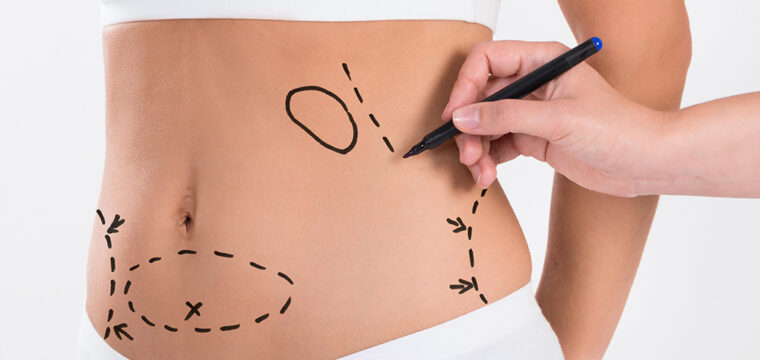
Abdominoplasty (Tummy Tuck)
- Removes excess skin and tightens abdominal muscles.
- Particularly effective for larger panniculus cases where stretched skin hangs below the pubic area.
- Can relieve skin irritation, rashes, or difficulty with hygiene.
Liposuction for Apron Belly
If stubborn fat is the primary concern (with minimal loose skin), liposuction may be an effective option. At Breast & Body UK, surgeons may recommend one of several advanced techniques:
Traditional (Suction-Assisted) Liposuction
Fat is removed through a thin cannula. Effective for moderate fat deposits.
VASER Liposuction
Ultrasound-assisted technology breaks down fat before removal, allowing precision contouring and skin retraction.
360-Degree Liposuction
Targets the entire midsection (abdomen, flanks, and lower back) for a more balanced, sculpted appearance.
In some cases, liposuction is performed together with a tummy tuck for patients requiring both fat removal and significant skin tightening.
Managing Apron Belly: Which Option is Best?
Mild cases (Grade 1–2): Lifestyle changes, targeted exercises, and non-surgical skin tightening treatments may be sufficient.
Moderate to severe cases (Grade 3–5): Surgery is often the most effective solution, either through abdominoplasty, liposuction, or a combination of both.
After major weight loss: Surgery may be the only reliable method to address redundant skin folds.
The best option depends on your goals, medical suitability, recovery expectations, and budget. Consulting with an experienced surgeon ensures that you select the approach most aligned with your health and lifestyle.
Consulting with a Leading Plastic Surgeon at Breast & Body Clinic UK
An apron belly is a common yet often misunderstood condition that can affect both physical comfort and confidence. While healthy lifestyle changes and exercises are important for long-term management, many people benefit from surgical solutions such as liposuction or abdominoplasty for lasting results.
At Breast & Body UK, procedures are tailored to each patient’s unique body type, goals, and health profile, ensuring both safety and natural-looking outcomes.
If you’re exploring options, we encourage you to book a free consultation with our expert surgeons. During your consultation, we’ll assess your concerns, discuss your goals, and provide a tailored recommendation.
FAQs
What is an apron belly and what causes it?
An apron belly, also called a panniculus, refers to excess skin and fat that hangs down from the lower abdomen, resembling an apron. It often develops due to factors like weight gain, significant weight loss, pregnancy, or ageing, all of which can stretch the abdominal skin and tissues beyond their ability to retract.
Can exercises alone get rid of an apron belly?
While exercises like planks, leg raises, and cardio can strengthen the core and reduce overall body fat, they cannot directly remove an apron belly. This is because loose skin and stretched tissue usually require surgical or medical intervention for a lasting improvement.
Why do I still have an apron belly after weight loss?
After losing a significant amount of weight, the fat may be reduced but the stretched skin often remains, leaving behind the “apron-like” fold. The skin loses elasticity with age and prolonged stretching, which is why surgery is sometimes the only effective solution.
What are the surgical options for treating apron belly?
Common surgical procedures include abdominoplasty (tummy tuck), which removes excess skin and tightens abdominal muscles, and liposuction, which targets stubborn fat deposits. Depending on severity, surgeons may recommend combining liposuction with a tummy tuck for both fat reduction and skin tightening.
Is liposuction effective for apron belly?
Liposuction can be highly effective for people whose apron belly is primarily due to stubborn fat rather than significant loose skin, but if excess skin is present, a tummy tuck may be needed for optimal results.
The information on the website is for general guidance only and cannot be used as a basis to make a surgical decision, an initial consultation with our doctor is required to help patients make an informed decision before proceeding with any surgical procedure. Any surgical or invasive procedure carries risks. Before proceeding, you should seek the opinion of an appropriately qualified health practitioner
Frequently asked questions
What is an apron belly?
A fold of skin and tissue hanging over the lower abdomen. It is usually a combination of loose skin, fat and sometimes separated abdominal muscle.
Can an apron belly go away with exercise?
The fat component can reduce with diet and exercise. Loose skin will not, and separated muscle needs physiotherapy or surgical repair.
Is a hanging belly after a C-section normal?
Yes, it is very common. Skin can fold over the scar and sit as a distinct overhang.
How do I know if I have diastasis recti?
The finger test above gives an indication. A women’s health physiotherapist or your GP can assess it properly.
Will a tummy tuck fix separated muscle?
A full abdominoplasty allows separated muscle to be repaired at the same time as skin is removed. A mini tummy tuck usually does not.
How long after giving birth should I wait?
Until your weight is stable, you have finished breastfeeding, and you are not planning further pregnancies. Exact timing is assessed individually.

About The Author
Mr A. Siddiqui
Mr Siddiqui is a Consultant Plastic and Cosmetic Surgeon, based at The Countess of Chester Hospital in the Department of Plastic and Reconstructive Surgery. He trained extensively in plastic surgery before becoming a Consultant in the NHS and developing a private practice in Manchester and other areas of the Northwest. He is considered to be one of the top 10 cosmetic surgeons in Manchester.
Categories
- Brachioplasty (3)
- Breast Augmentation (27)
- Breast Health (13)
- Breast Implants (20)
- Breast Lift (11)
- Breast Reduction (15)
- Fat to Breast Transfer (1)
- General (2)
- Gynecomastia (2)
- Labiaplasty (2)
- Liposuction (15)
- Mummy Makeover (9)
- Nipple Correction (1)
- Skin Cancer (1)
- Skin Care (1)
- Tirzepatide (1)
- Tummy Tuck (22)
- Uncategorised (3)
Recent Posts


30 March 2026
23 March 2026



 Online Marketing For Doctors